
There is water in the mountains, and there are mountains in the water
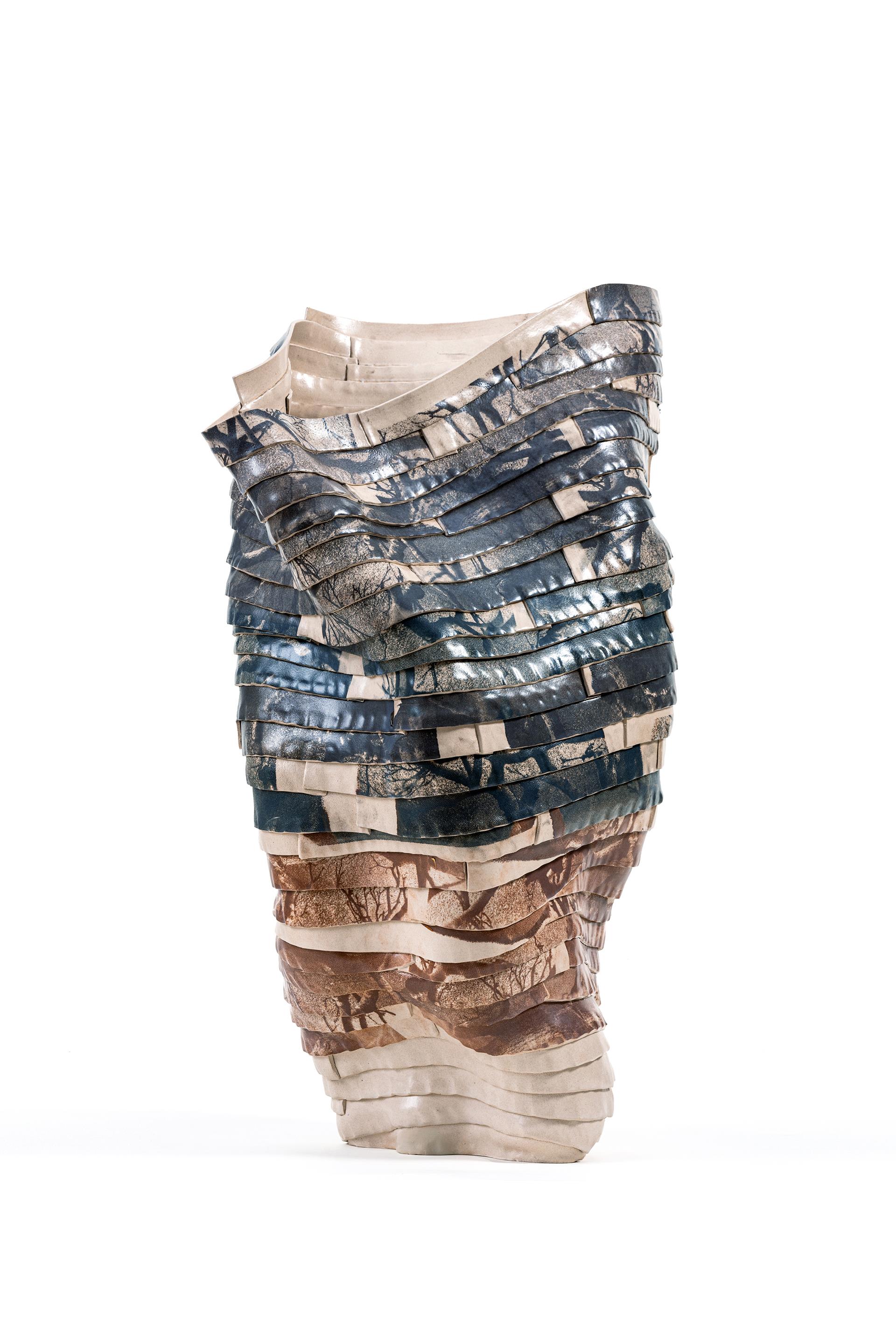
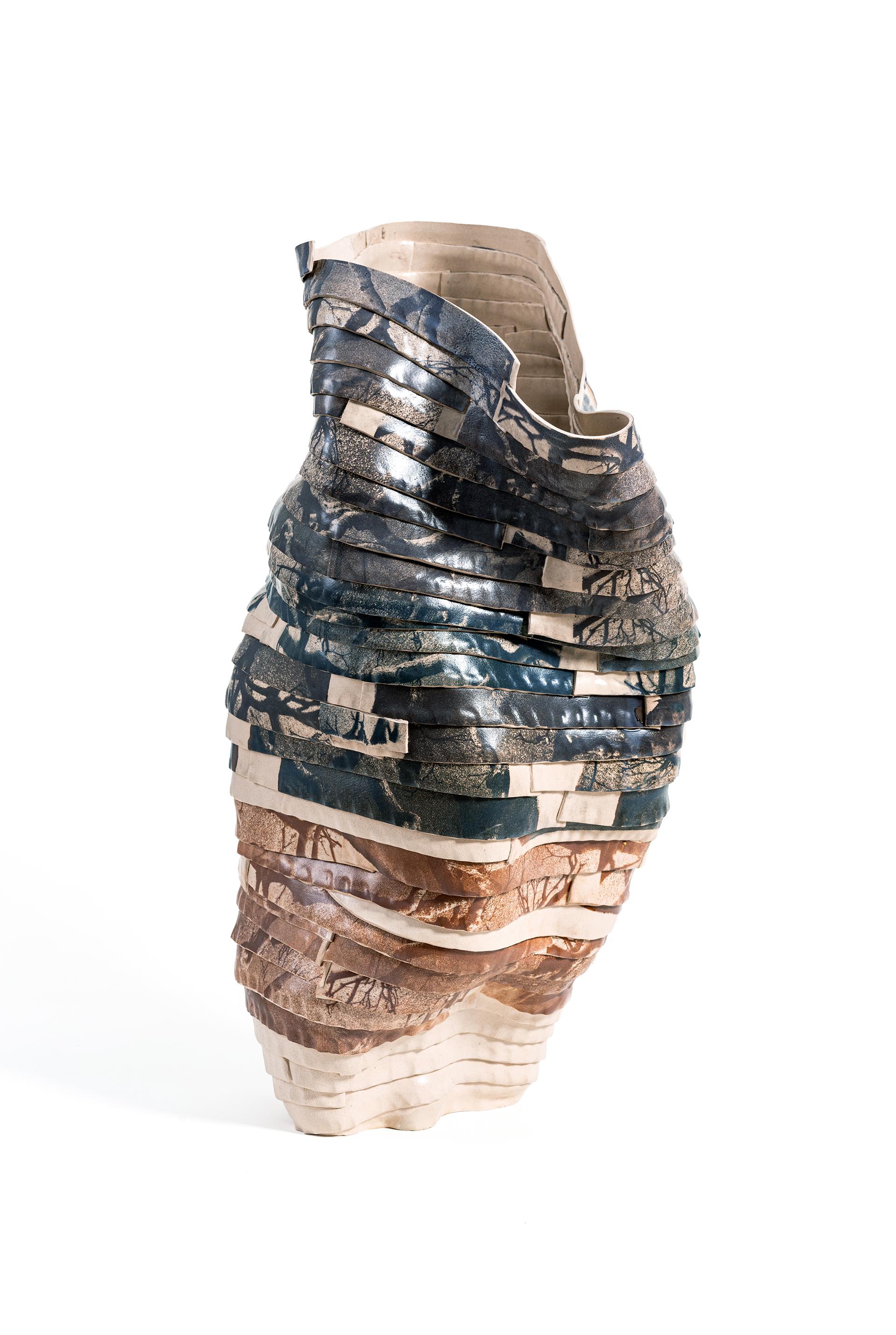
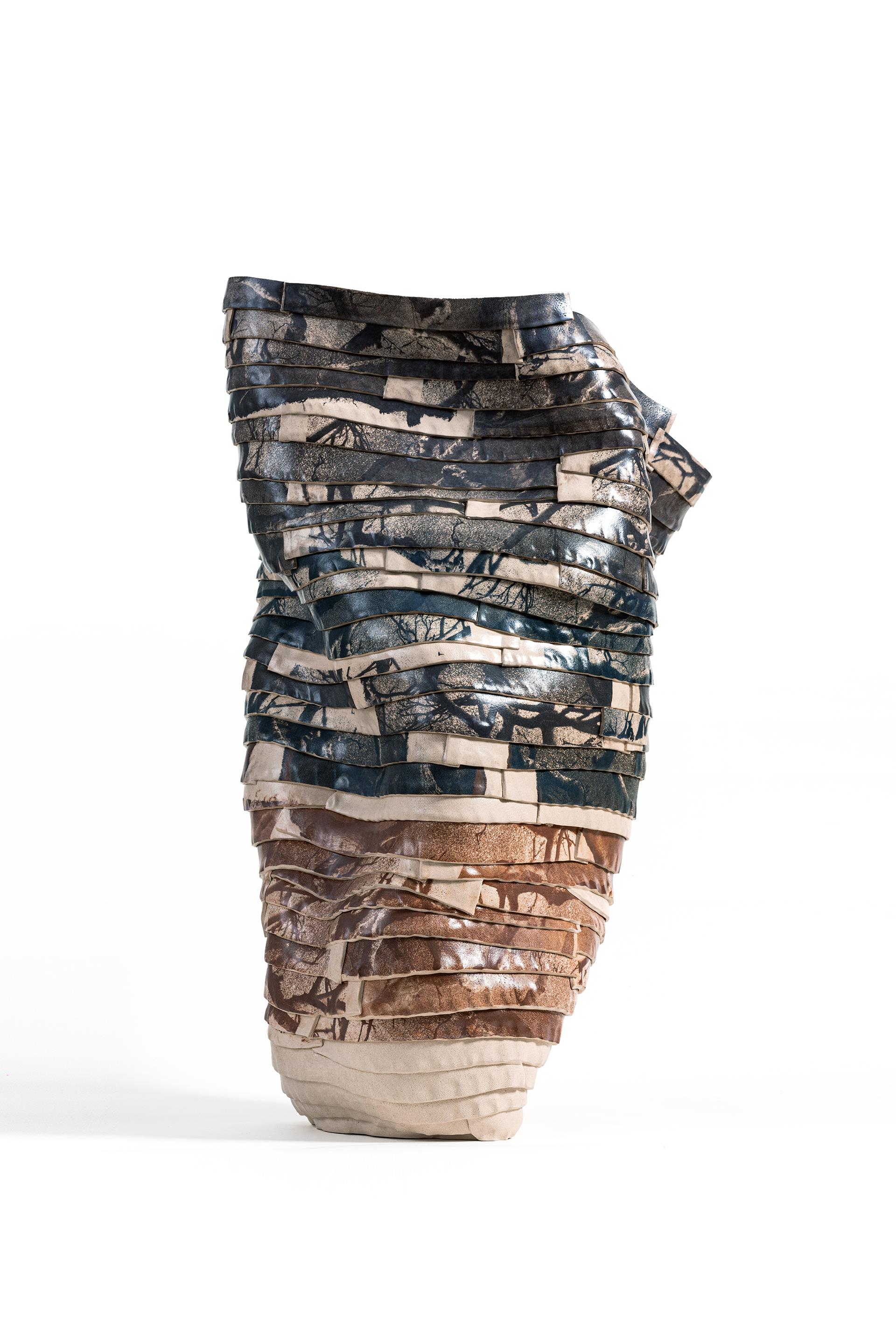
My hometown Chongqing has a very unique landform, with slopes to climb, steps to ascend, bends, the alternation of old and new, and undulating terrain. The Yangtze River and the Jialing River engage in a dialogue between tawny and deep green, just like the work you see, which is divided into two colors in the upper and lower parts. The tawny represents the Yangtze River, and the deep green represents the Jialing River. The Yangtze River and the Jialing River are not completely immiscible; they only present a short-term "clear distinction" phenomenon at their confluence (Chaotianmen in Chongqing). The main reason lies in the differences in the hydrological conditions of the two rivers: • Difference in sediment content: The Jialing River flows through areas with mostly loess or sandy soil, so its water carries more sediment and appears yellowish. The upper reaches of the Yangtze River (here referring to the lower section of the Jinsha River) contain relatively less sediment, making the water clearer. Due to the difference in density when they meet, they are difficult to fully mix in a short time, forming an obvious boundary. • Difference in flow velocity and water volume: The two rivers have different flow velocities and water volumes. The interaction of water flow dynamics when they converge also slows down the mixing speed. However, as the water flows downstream, this boundary will gradually disappear, and they will eventually fully merge into one. The irregular twisted shape of the work represents the rugged, steep, and winding roads of the mountain city, with mist and rain. High-rise buildings stand on steep cliffs; what seems to be a flat floor is actually the 20th-odd floor. The terrain is peculiar, and the scenery is magnificent.
Year of Creation: 2025
Materials: Ceramic, screen printing
Dimensions: 47cm*30cm*68cmcm